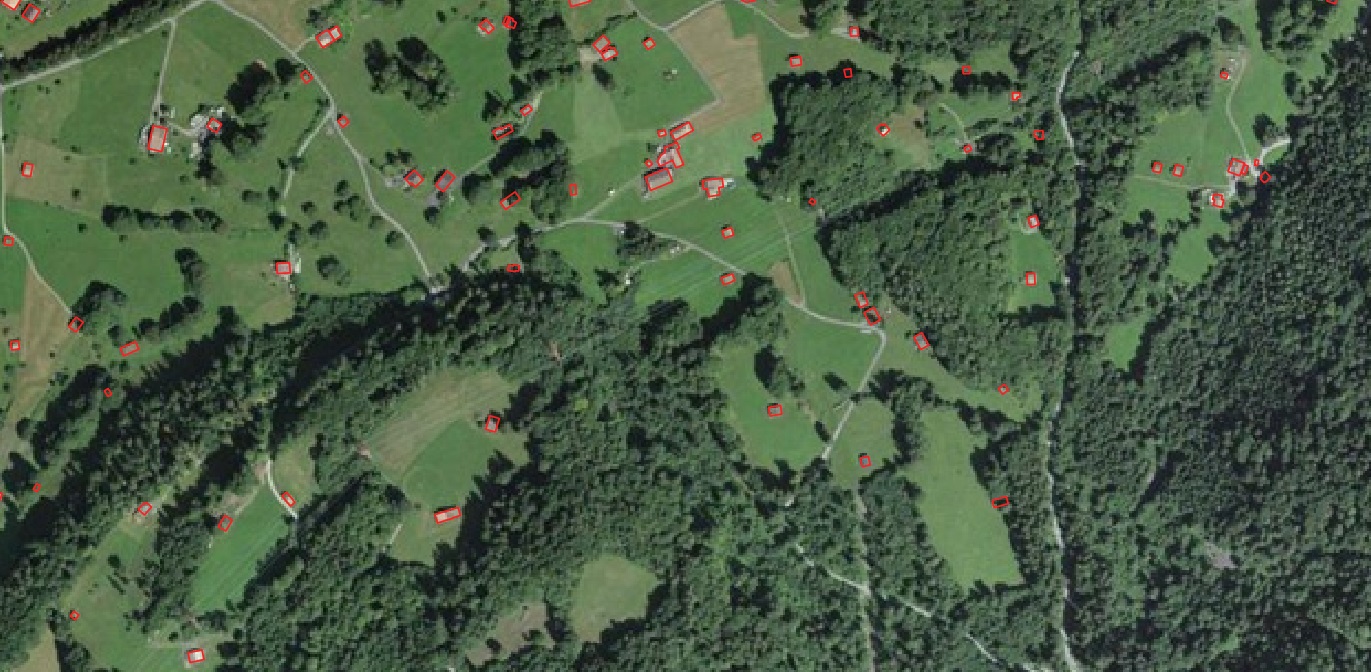
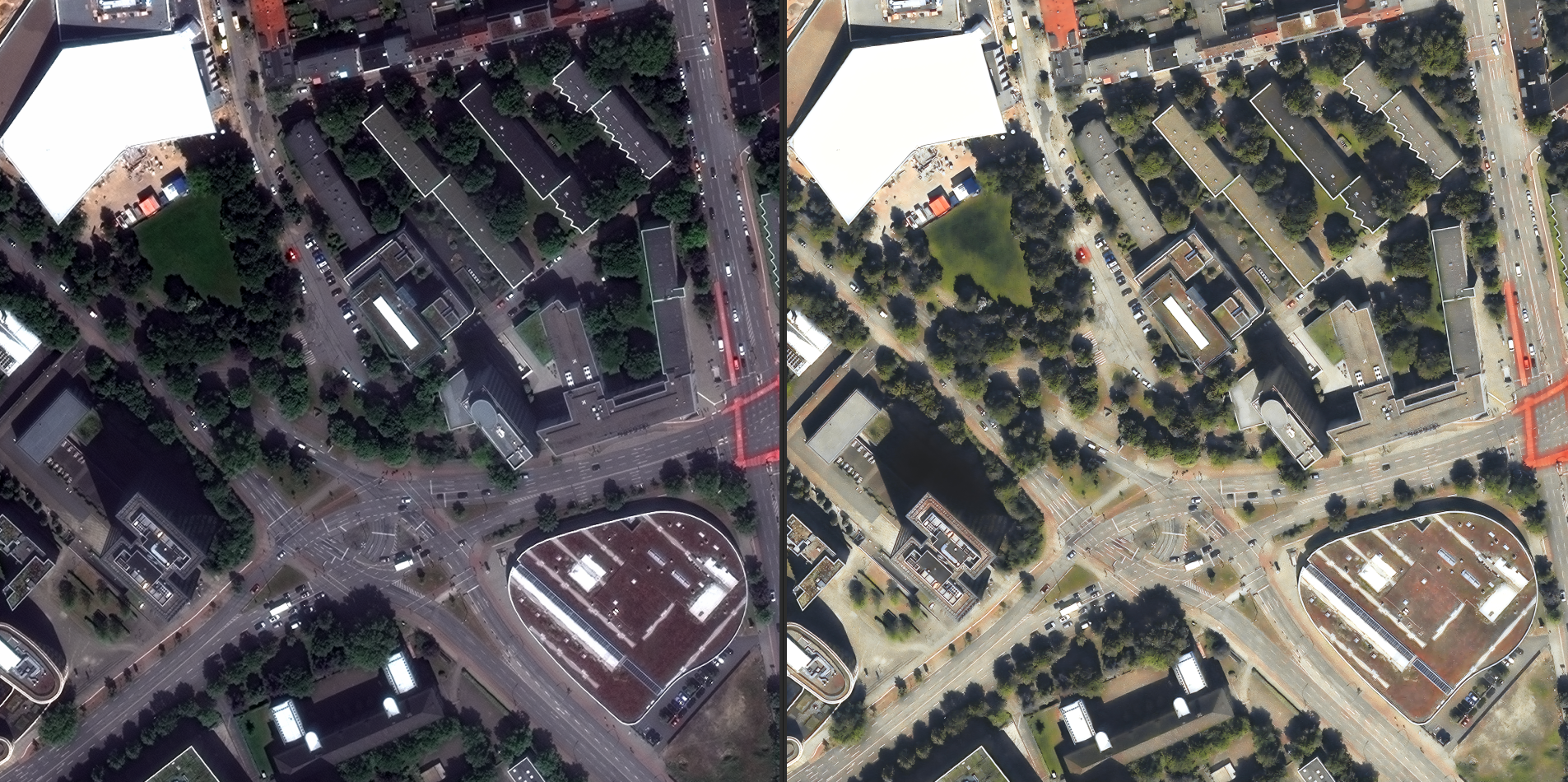
Climate change, development and shifting populations are pushing authorities at every level toward geospatial stormwater management. Across our public-sector work we have seen many stormwater initiatives, and while every agency's needs differ, most projects follow a similar path. This checklist distils that into the steps that make a programme succeed.
Start with the end goal
Before any project begins, stakeholders need to align on a clear objective. Common goals include:
- Optimising stormwater utility fee (SUF) or drainage-charge calculation.
- Mitigating risk from natural hazards and climate events.
- Improving flood modelling and resilience planning.
- Meeting regulatory and reporting requirements.
Then define data and cadence
From there the practical questions follow: which impervious classes to capture, what accuracy to target, how the map connects to fee and flood workflows, and how often it is refreshed. Getting those decisions right up front is what turns a one-off map into a durable stormwater programme.