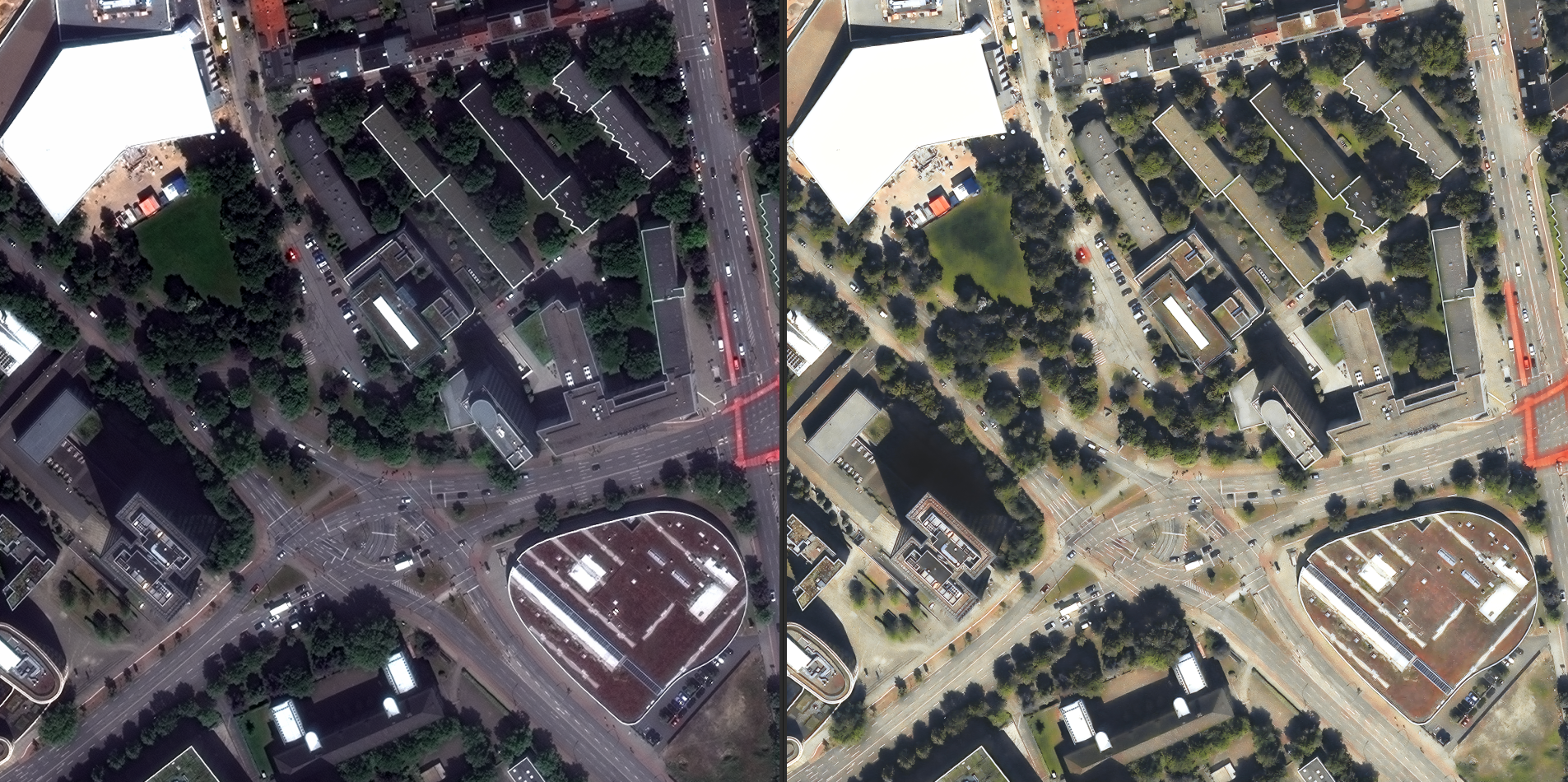
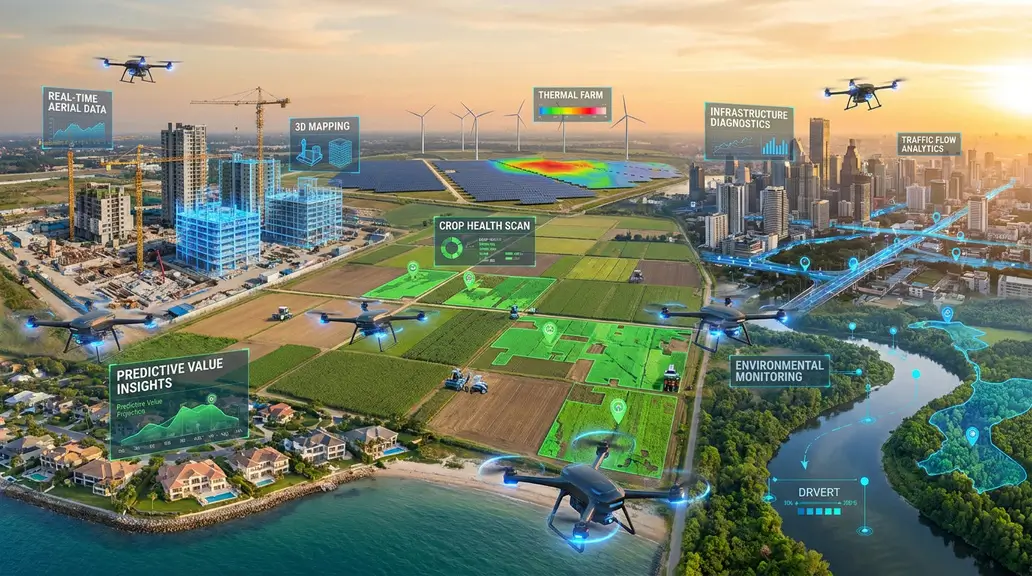
For millennia, maps have described where things are — rivers, mountains, settlements. Their harder and more valuable job is describing how those things change. That capability is change detection, and in a world reshaped by climate shifts, migration and development, it is what keeps a map honest.
What change detection really is
Change detection is the spatial analysis and documentation of features that have evolved in an area over a defined period. It is more than laying two maps side by side: true change detection pinpoints exactly which features changed within the area of interest, surfacing them through attribute fields or as a separate GIS layer.
That focus streamlines analysis enormously — instead of re-examining every feature, professionals see only what moved, ready for visualisation and further analytics.
Where it matters most
- Tracking new construction and urban growth.
- Monitoring infrastructure and road networks.
- Watching land cover, vegetation and water for environmental change.
- Assessing damage and recovery after disasters.
Run on a cadence, change detection keeps geospatial data current instead of letting it drift out of date the moment it is captured.